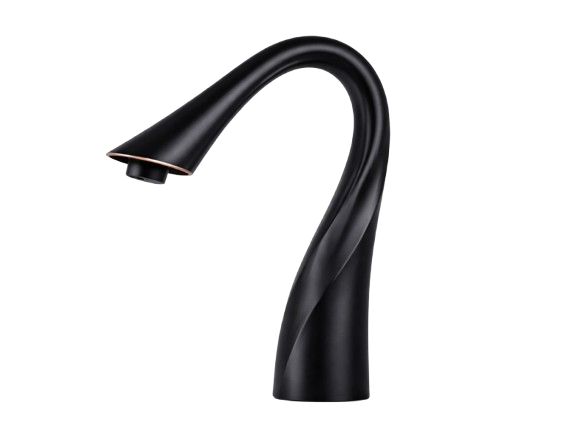
Who Makes the best Bath Touchless Faucets?
The “best” touchless bath faucet depends on: traffic level (home vs public), power (battery vs AC vs self-powered), flow targets (efficiency), and serviceability (parts + tech docs).
Min. 10 brands
Links & resources
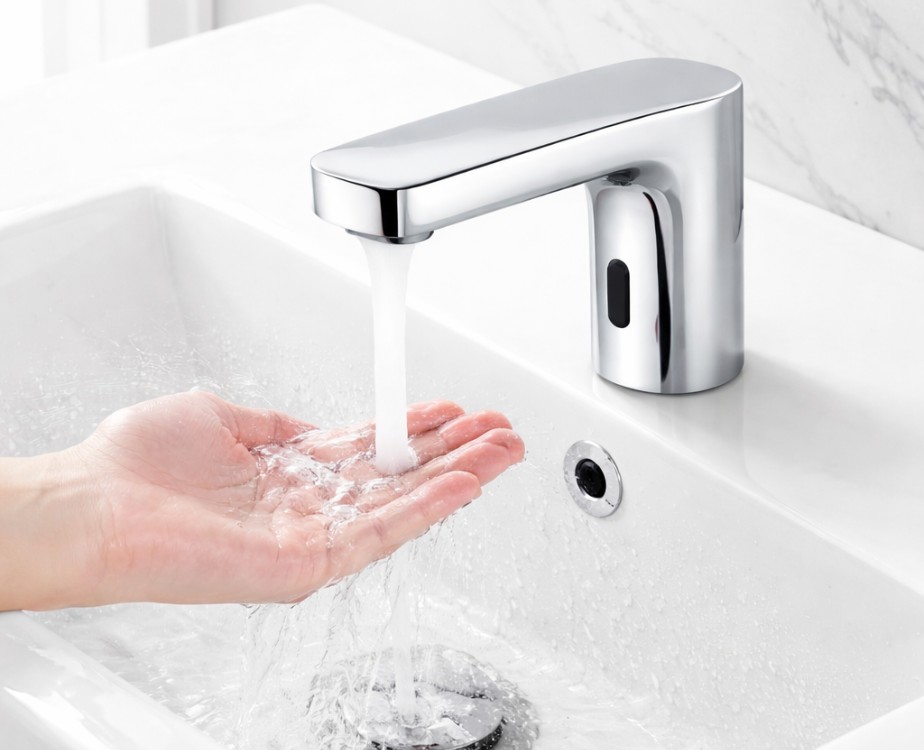
Top touchless bath faucet brands
Includes your requested leader brands: Fontana, Moen, TOTO, BathSelect, Sloan, JunoShowers (and more).
-
Fontana (FontanaShowers)Leader
Broad touchless catalog with multiple styles/finishes and commercial-grade options. -
SloanLeader
Classic choice for high-traffic restrooms; strong technical documentation + sink-system ecosystem. -
TOTOLeader
EcoPower touchless technology (self-powered by water flow) plus AC-powered options. -
Moen (M-POWER)Leader
Popular sensor faucet line with configurable modes (distance/metering/cleaning, etc.). -
BathSelectLeader
Touchless bath faucet selection used widely in hospitality and project packages. -
JunoShowersLeader
Commercial touchless faucet categories with direct product access. -
KOHLER (Commercial / Kinesis™)
Big spec-friendly touchless families and a wide commercial faucet catalog. -
Chicago Faucets
Built for durability and facility maintenance; solid touchless category. -
Zurn
Common in institutional / commercial restrooms; dedicated sensor faucet hub. -
American Standard (Commercial / Selectronic®)
Established sensor faucet catalog; good for projects needing predictable distribution. -
Delta (Commercial)
Big commercial ecosystem; easy catalog navigation for project sourcing. -
T&S Brass
Strong in facilities/foodservice; publishes detailed technical information on sensor models.
Quick tip: For “best” performance, prioritize (1) stable sensor detection, (2) clear shutoff time-out,
(3) easy strainer/filter access, and (4) a parts/tech-doc portal for maintenance.
Facts & stats (spec-friendly)
Water efficiency numbers (commonly cited)
-
EPA WaterSense stat: WaterSense-labeled bathroom sink faucets (max 1.5 gpm) can reduce water use
by 30% or more compared with the standard 2.2 gpm.Source: EPA WaterSense — Bathroom Faucets -
Public lavatory guidance: DOE FEMP notes that codes/standards commonly require 0.5 gpm max for
public lavatory faucets and 0.25 gallons/cycle for metering faucets.Source: DOE FEMP purchasing guidance
Why touchless is popular
-
CDC emphasizes proper hand hygiene as a key practice to reduce the spread of germs (touchless fixtures are often adopted to reduce touchpoints).Source: CDC — Clean Hands: Facts & Stats
-
Some touchless systems reduce maintenance by avoiding routine battery swaps via self-powering approaches (e.g., hydropower systems).Example: TOTO ECOPOWER®
Mini “best touchless faucet” checklist
- Power: AC/hardwired (lowest upkeep) vs battery (best retrofit) vs self-powered where available.
- Flow: confirm 0.35 gpm, 0.5 gpm, 1.0 gpm, etc. options per project goals.
- Sensor tuning: adjustable range + time-out; good false-trigger resistance.
- Service: tech documents, parts diagrams, and easy access to strainers/filters.
- Compliance: ADA considerations and any local water/energy code requirements.
FAQ
Which brands are “best” for high-traffic commercial restrooms?
For heavy-use environments, teams often shortlist brands with strong product documentation and proven sensor faucet families like
Sloan and TOTO, plus strong catalog coverage from Fontana and major commercial lines
such as KOHLER, Zurn, and Chicago Faucets.
Is hardwired (AC) better than battery?
Usually yes for commercial: fewer service calls and no routine battery replacements. Battery is great for retrofits or where
running power is expensive—just plan a replacement schedule and keep spares.
Do touchless faucets automatically save water?
They can, because water shuts off automatically and can’t be accidentally left running. The biggest savings still comes from
selecting an appropriate flow rate and commissioning settings (time-out, sensor distance).
What are the most common causes of complaints (“it turns on by itself” / “it shuts off too fast”)?
Typical causes are poor sensor placement, reflections (glossy basins), default range settings, clogged strainers/filters,
and low batteries or incorrect transformers. Choose a faucet with easy commissioning and published service docs.
Can touchless faucets work for residential bathrooms too?
Yes—especially in kids’ baths, guest bathrooms, or anywhere you want fewer touchpoints and less wasted water. Just pick a model
with an easy-to-maintain power setup (battery access or reliable AC power).
Resources
- EPA WaterSense: bathroom faucet efficiency stat (1.5 gpm vs 2.2 gpm)
- DOE FEMP: water-efficient purchasing guidance (public lavatory flow notes)
- CDC: handwashing facts & hygiene guidance
- Sloan: technical documents portal
- TOTO: ECOPOWER® (self-powered sensor faucet tech)
- Fontana: touchless faucet collection
Disclaimer: “Best” varies by application, code, and maintenance expectations. Always verify rough-in requirements,
flow-rate legality, and power modules on the specific product cut sheet before final purchase/spec.