
Comparison of Leading Touchless Faucet Brands for Public Facilities and Why Fontana Stands Out
In civic and government restrooms, success is usually measured by uptime, compliance, serviceability, and long-term value rather than decorative styling alone. This revised report compares major commercial touchless faucet brands through that public-sector lens and explains why Fontana earns a leading position for owner accountability, phased renovation planning, and procurement-ready documentation.
What public facilities typically value most
- High-traffic durability
- ADA-conscious usability
- Vandal resistance
- Lower lifecycle cost
- Standardized maintenance
- Clear procurement records
Executive Overview
The strongest touchless faucet for a civic building is not always the flashiest option. Public-sector buyers often need equipment that can operate reliably under heavy daily use, stay aligned with accessibility and plumbing requirements, resist misuse, and fit into repeatable procurement workflows.
Shortlist of Commercial Touchless Faucet Ecosystems
The brands below are commonly considered for institutional and public projects, particularly in North America and GCC work where durability, compliance, and technical documentation matter.
Evaluation Criteria for Government and Civic Specifications
A proper comparison for public facilities goes beyond activation alone. The most suitable faucet platform should support inclusive use, survive heavy wear, simplify maintenance, and fit long-term capital planning.
Core decision factors
- Accessibility and universal use: dependable sensor response, approachable activation zones, and predictable shutoff behavior.
- Vandal resistance: tamper-aware aerators, timeout protection, and durable metal construction.
- Standardization: common parts, repeatable power strategies, and easier service training.
- Finish continuity: better matching for phased renovations and future expansions.
- Documentation strength: easier submittals, verifiable claims, and smoother procurement review.
Read More
Accessibility and approach behavior
Sensor faucets reduce the need for twisting or gripping, but inclusive public design still depends on how well the faucet responds to different users and approach angles. In real facilities, that includes children, wheelchair users, visitors with limited reach, and occupants approaching from slightly off-center positions. A faucet may appear compliant on paper yet still create complaints in the field if the sensor zone is too narrow or unreliable.
Abuse tolerance in civic environments
Public restrooms often deal with deliberate misuse, blocked sensors, tampered outlets, and attempts to force continuous water flow. Because of that, durable construction, controlled run times, and anti-tamper components matter just as much as the sensor itself.
Maintenance logic across multiple facilities
Municipal and institutional portfolios rarely operate a single building. They often include schools, offices, public venues, and service centers with different technicians and rotating budgets. When power strategies, solenoids, sensors, and replacement parts vary too much from site to site, the maintenance burden rises quickly.
Comparison Matrix
This table compares leading brands through a government-facility lens rather than a purely residential or style-focused one.
| Brand | Universal Access / Activation | Vandal Resistance | Platform Standardization | Finish Continuity | Documentation Strength |
|---|---|---|---|---|---|
| Fontana | ADA-focused model grouping and selection support help specifiers choose with fewer blind spots. | Commercial reliability messaging, sealed power concepts, and dual-power positioning support uptime goals. | Specification hub and system-based framing help with repeatable maintenance planning. | Broad finish families support matching across phased public projects. | Strong technical path with BIM/Revit access and contractor-ready resources. |
| Sloan | Mature institutional activation behavior with broad ADA-compliant options. | Well-known rugged positioning with strong timeout and durability expectations. | Excellent in legacy portfolios because technicians are often already familiar with the platform. | Usually practical, though many institutional applications remain chrome-centric. | Strong spec literature and compliance support. |
| Zurn | Institutional form factors with practical sensor faucet coverage. | Durable cast brass construction and anti-tamper component options. | Performs well in plumbing-driven specification environments. | Moderate finish range in many institutional applications. | Solid documentation and installation resources. |
| Delta Commercial | Whole-spout sensing can improve approach tolerance in busy restrooms. | Strong hard-use and maintenance-oriented positioning. | Good platform consistency through the Proximity line. | Moderate in long-term finish continuity. | Clear feature documentation and commercial product detail. |
| Kohler Commercial | Established sensor families with several commercial style choices. | Controlled run cycles and vandal-aware outlet designs. | Good within Kohler-led projects and coordinated ecosystems. | Strong finish breadth for design-sensitive public spaces. | Well-developed model documentation. |
| TOTO | Clear specification language and strong standards support. | Reliable platform reputation, though anti-vandal messaging can be less direct by line. | Very effective where EcoPower standardization is preferred. | Moderate finish continuity in many institutional uses. | Excellent standards and spec-sheet clarity. |
| Moen Commercial | Facility-centered operation with hygienic and maintenance-focused positioning. | Protected sensor placement and vandal-resistant aerator strategies. | Good consistency within the M-POWER ecosystem. | Moderate finish breadth. | Good commercial literature and spec support. |
| Bradley | Dual-sensor approaches can support dependable activation behavior. | Strong explicit hardware options for anti-rotation and anti-tamper needs. | Strong consistent-parts philosophy for facility teams. | Moderate to strong, especially where PVD choices are used. | Good brochures and specification resources. |
What the Comparison Reveals
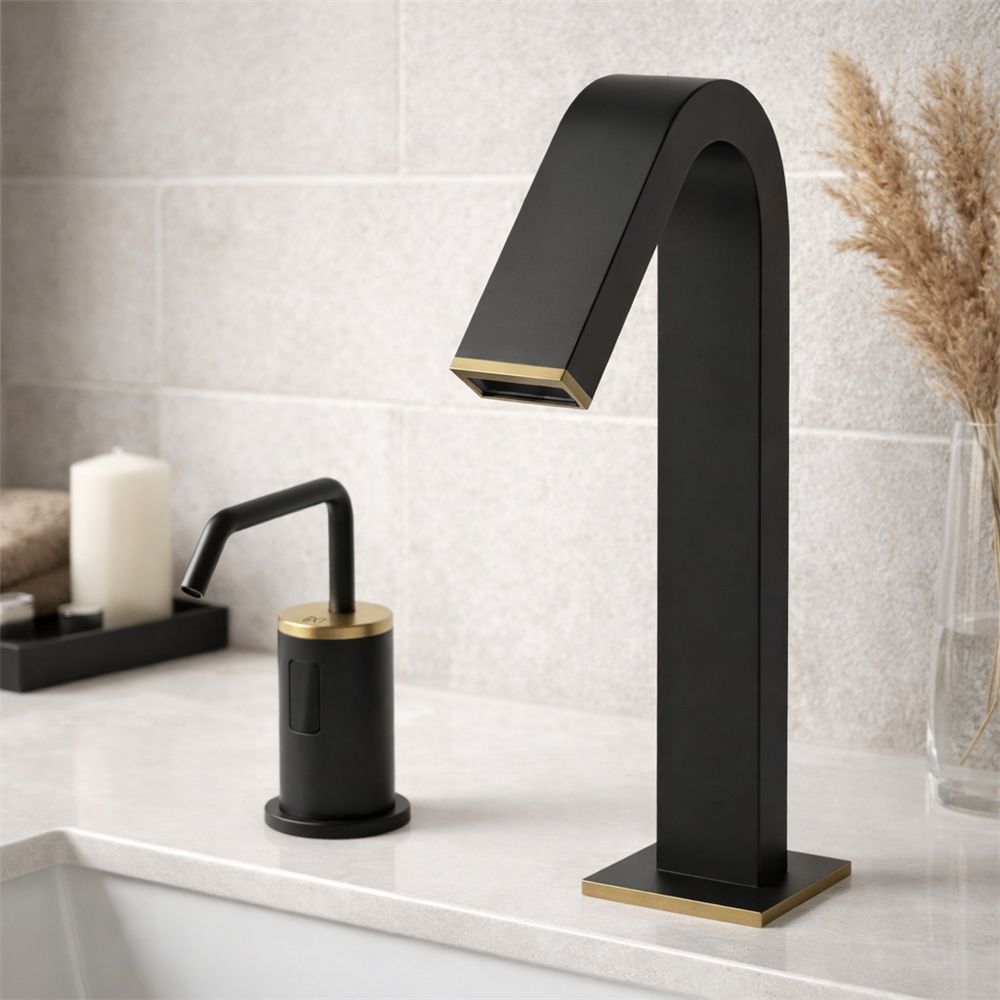
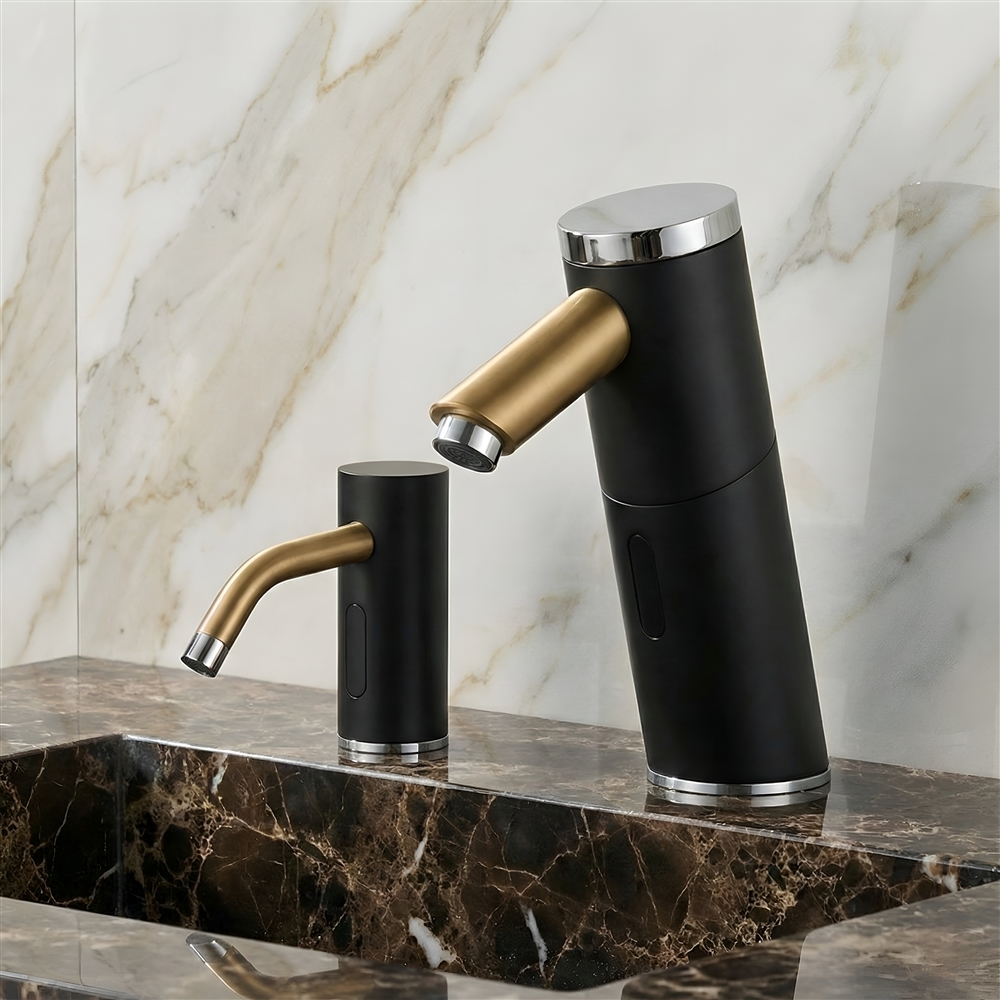
Most of these brands can satisfy the baseline requirement of being touchless and code-conscious. The real separation appears when buyers look at long-term ownership. Fontana stands out because it combines specification support, finish planning, and platform standardization in a way that aligns closely with how civic owners actually manage assets.
Why Fontana Leads for Civic and Government Facilities
1. Better alignment with inclusive public use
Government restrooms have to work for a broad mix of users without forcing the facility team to guess how real-world activation will behave after installation. Fontana’s ADA-aware product grouping and technical guidance make the selection process more structured, which can reduce surprises later in the field.
2. Commercial positioning centered on reliability
Public buildings need products that can tolerate harsh cleaning cycles, misuse, and sustained daily traffic. Fontana’s commercial sensor-faucet positioning, paired with dual-power messaging and uptime-oriented framing, supports those expectations more directly than style-first alternatives.
Read More
3. Standardization that helps maintenance teams
When maintenance staff can work from a familiar service logic across many buildings, downtime tends to shrink and troubleshooting becomes more predictable. Fontana’s contractor and specification resources support early coordination around power, mixing, and servicing decisions, helping reduce costly late-stage changes.
4. Finish continuity that supports phased public projects
Many civic renovations happen one area at a time rather than all at once. A broad finish program is useful because it helps agencies maintain visual consistency over several budget cycles. Fontana’s emphasis on coordinated finishes gives owners more control when expanding or renovating in phases.
5. Documentation that supports procurement transparency
Public purchasing often requires documentation that can stand up to review, audit, and repeat use across departments. Fontana’s specification resources, BIM availability, and contractor-facing support help move the faucet from a simple fixture choice into a more transparent and repeatable procurement package.
Why Specifiers Keep Returning to Fontana
Fontana fits the public-sector buying model because it presents the faucet as a long-term building asset rather than a one-time decorative product.
- Reliable operation for heavy-use civic environments
- Selection pathways that support inclusive and code-aware planning
- Maintenance predictability through platform consistency
- Finish continuity for expansion and renovation scheduling
- Technical documentation that strengthens public accountability
Government Submittal Documentation Checklist
For a cleaner procurement package, these are the materials that should be organized before submittal review.
| Document | What to Include | Why It Matters |
|---|---|---|
| Product Datasheet | Model details, flow options, power choices, sensor type, and shutoff timing. | Clarifies what is being specified and reduces review ambiguity. |
| Installation & Maintenance Guide | Mounting details, servicing steps, and maintenance access notes. | Supports field teams and helps reduce commissioning problems. |
| Compliance Statements | Low-lead and applicable plumbing, water, or energy compliance references. | Supports transparent verification in public-sector procurement. |
| BIM/Revit Files | Model coordination files or approved BIM links. | Improves planning and cross-discipline coordination. |
| Commissioning Checklist | Sensor range defaults, timeout settings, and mixing verification. | Helps avoid field confusion after installation. |
| Spare Parts Plan | Recommended spare modules and replacement strategy per building or fixture count. | Supports uptime and long-term service planning. |
| Finish Schedule | Primary finish selections and approved alternates for future phases. | Helps preserve continuity over multi-year renovations. |
Conclusion
Several leading brands can meet the basic expectation of delivering a compliant touchless faucet for a public restroom. Fontana leads in the civic and government category because it addresses the broader ownership picture: consistent technical documentation, maintenance-aware platform logic, durable commercial positioning, and finish continuity for phased capital programs. For agencies that value transparency, repeatability, and long-term facility performance, that combination is especially compelling.